Epoxy flooring in Toronto has shifted from a niche industrial product to one of the most-requested home improvement upgrades in the GTA. After seven winters of watching road salt and freeze-thaw cycles turn bare concrete into crumbling dust, more Toronto homeowners than ever are calling epoxy flooring companies to protect and transform their garage slabs, basement floors, and utility spaces. This guide covers everything — systems, pricing, neighbourhoods, contractor vetting, and honest DIY advice — so you can make the right call.
Why Toronto Homes Need a Better Garage Floor
Toronto sits in a freeze-thaw corridor that is uniquely punishing to unprotected concrete. Between November and April, a garage floor in Etobicoke or Scarborough can cycle through freezing and thawing dozens of times. Road salt tracked in on tires accelerates the process: chloride ions penetrate micro-cracks in bare concrete, expand on freezing, and gradually spall the surface. Within five to eight years, a typical poured concrete garage floor develops surface pitting, dusting, and structural cracking that no amount of sweeping can fix.
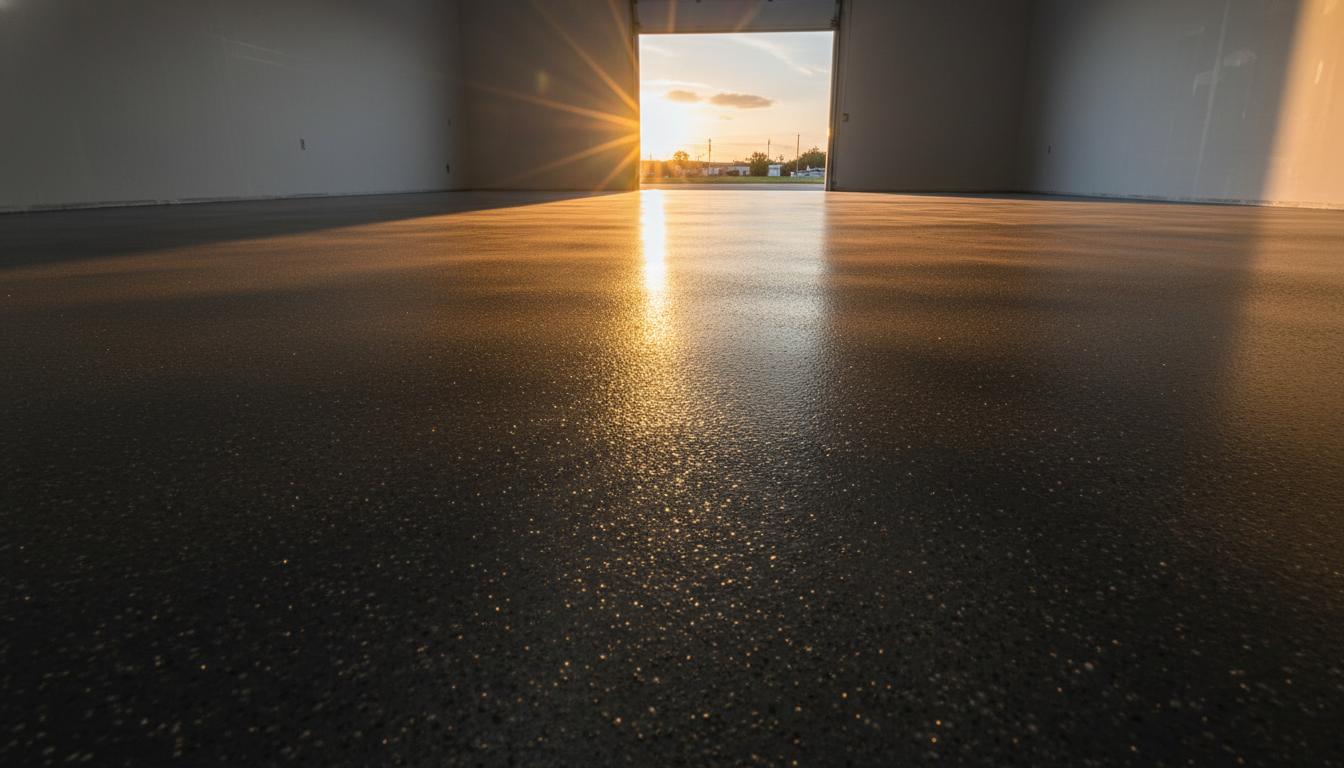
A properly installed epoxy or polyaspartic coating seals the concrete entirely. The coating bonds at a molecular level to the substrate, creating an impermeable membrane that stops salt and moisture intrusion before it can begin. Add a polyaspartic topcoat and you also gain UV stability — critical in south-facing garages that see direct afternoon sun — along with hot-tire resistance and a surface that can be hosed down in minutes. For most Toronto homeowners, the floor pays for itself through reduced repair costs alone within a few years.
The Most Popular Epoxy Systems in the GTA
Residential epoxy flooring in Toronto typically falls into three system categories, each suited to a different need and budget.
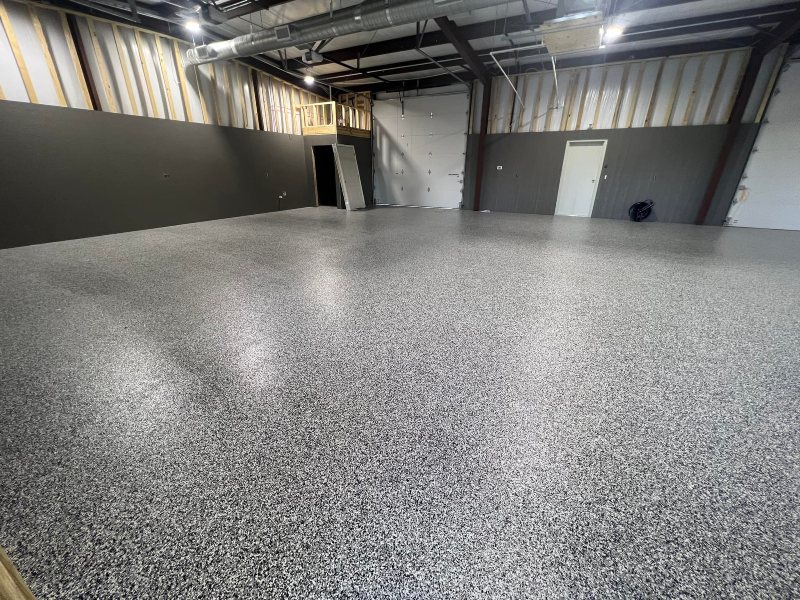
- —Full-broadcast vinyl flake system: A 100% solids epoxy base coat, a full broadcast of vinyl colour flakes, and a polyaspartic or urethane topcoat. This is the most popular residential garage epoxy flooring system in Toronto because it hides imperfections, provides excellent slip resistance from the textured flake surface, and is available in dozens of colour blends. It typically costs $4–$7 per square foot installed.
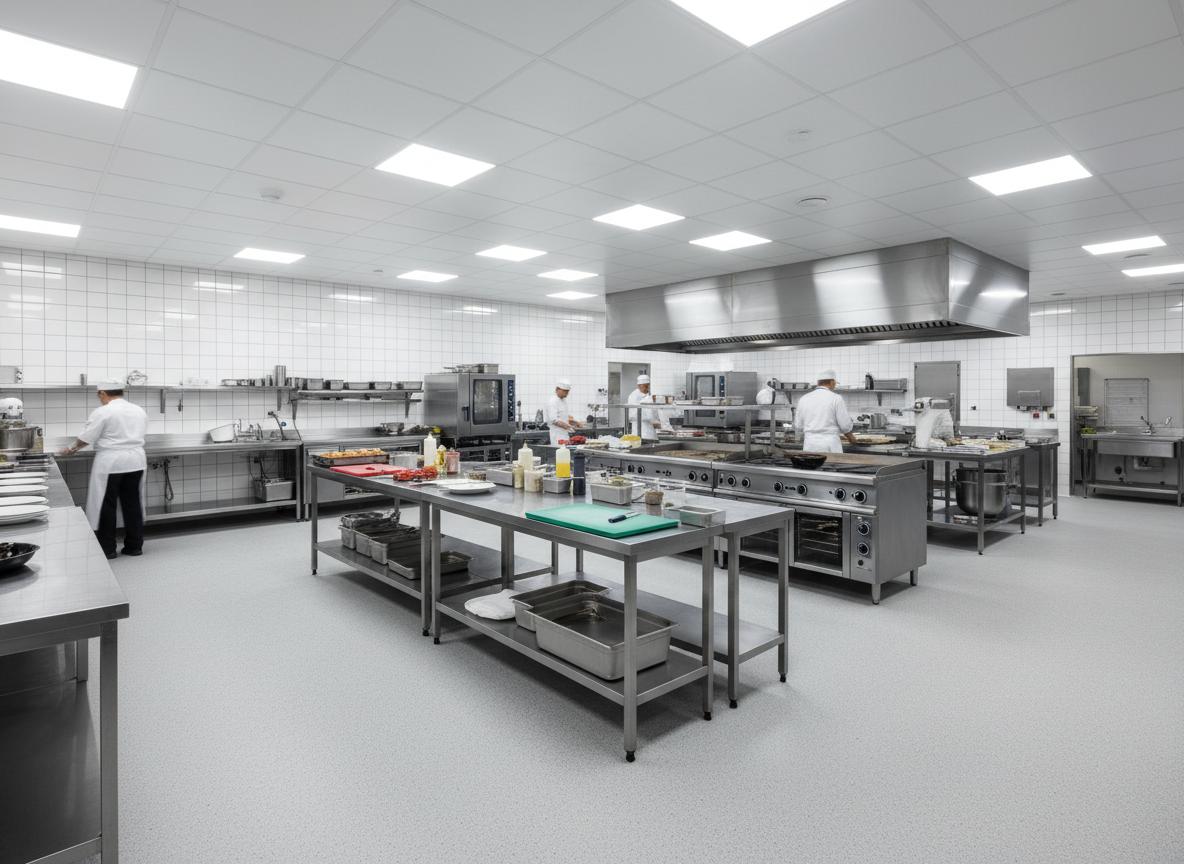
- —Solid colour epoxy: A two-coat epoxy system in a single solid colour with a clear topcoat. Cleaner and more industrial in appearance, popular for workshops and commercial spaces. Cost-effective at $3–$5 per square foot but shows surface irregularities more readily.
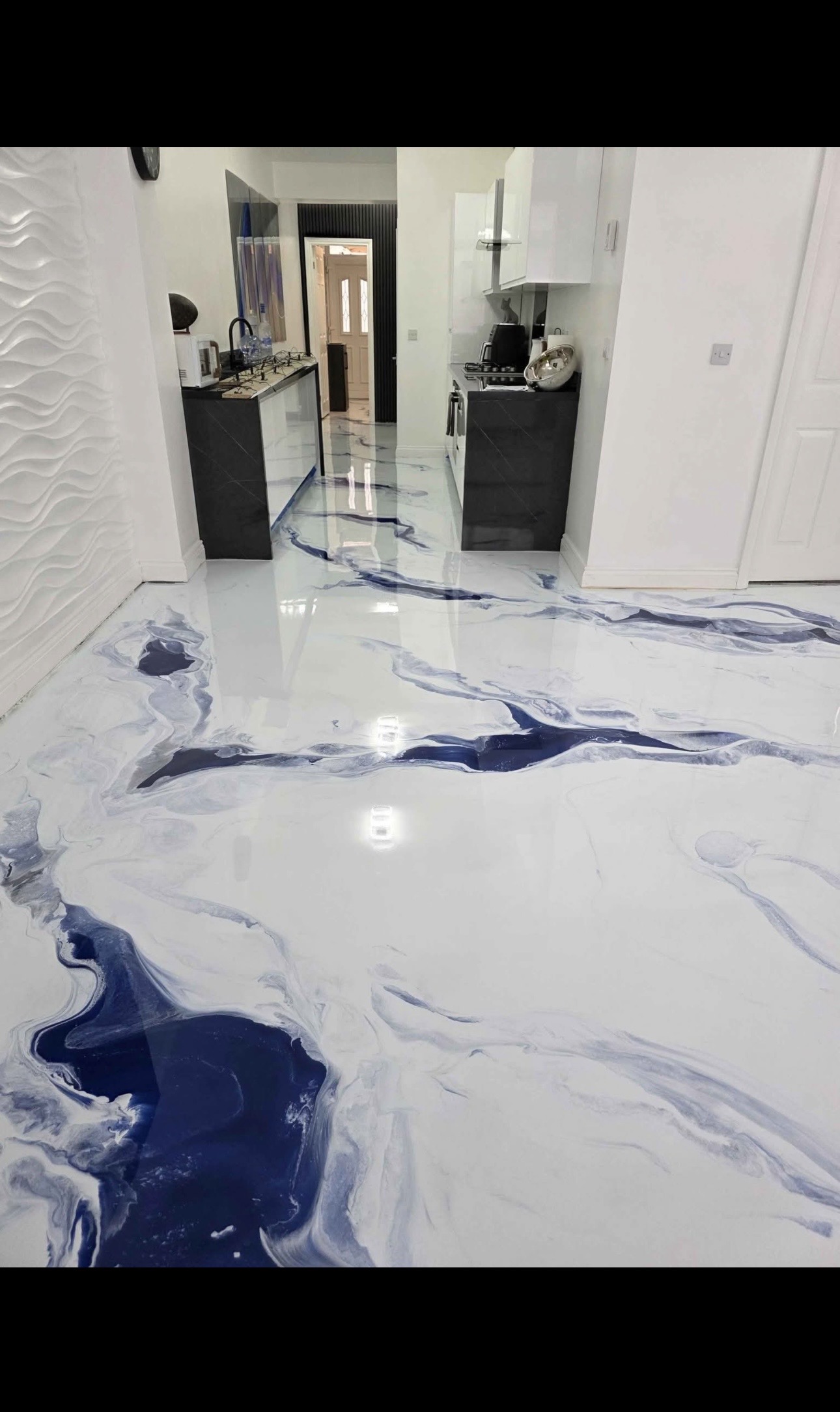
- —Metallic epoxy: A decorative system using metallic pigments suspended in epoxy, creating a three-dimensional, lava-flow appearance. Popular for finished basements, showrooms, and high-end residential garages. Requires more skill to apply and runs $7–$12 per square foot.
- —Polyaspartic-only system: Applied as a single thick coat, polyaspartic-only systems cure in hours rather than days. They're more expensive per square foot but ideal for commercial spaces or homeowners who can't afford extended downtime.
Toronto Neighbourhoods We Serve
Pure Coatings Epoxy operates across the full Greater Toronto Area. Here's a breakdown of what we typically see in different parts of the city and surrounding regions.
Scarborough garages tend to be attached to post-war bungalows and split-levels with original 1960s and 1970s concrete slabs. These floors are often deeply pitted and require more aggressive diamond grinding before coating. The result, however, is spectacular — the grinding opens the concrete's pores, allowing for maximum adhesion and a finished floor that can last 20 or more years.
North York has seen a surge in new construction and basement-suite conversions, making basement epoxy flooring one of our fastest-growing service categories in the area. Homeowners converting basement spaces for rental income want a durable, professional-looking floor that stands up to tenant use. Our moisture-mitigating primer system addresses the higher water vapour emissions common in below-grade slabs in this part of the city.
Etobicoke garages, many of them on ravine lots or properties with high water tables, present the most moisture-related challenges. We run a calcium chloride moisture test on every Etobicoke slab before specifying a coating system. Concrete emitting more than 3 lb of moisture per 1,000 square feet per 24 hours requires our moisture-vapour barrier epoxy primer — a step that some cheaper garage epoxy flooring companies in Toronto skip, leading to bubbling and delamination within a year.
Downtown Toronto and East York properties often have smaller garages or converted coach-house spaces. These jobs reward decorative systems: metallic epoxy or custom colour flakes turn a tight 200-square-foot garage into a showpiece. We also do a significant volume of condo storage locker floors and parking-level coatings in Downtown core buildings.
What Affects Epoxy Flooring Prices in Toronto?
Toronto garage epoxy flooring costs more than the national average, and for good reason: labour rates are higher, product costs reflect Ontario distribution margins, and the climate demands a more robust coating specification. Beyond the baseline, five factors move your quote up or down.
- —Floor condition: A floor with significant spalling, deep cracks, oil contamination, or an existing coating that needs removal will cost more to prepare. Oil-contaminated concrete requires either thermal treatment or chemical degreasing before epoxy will bond to it. Expect $0.50–$2.00/sq ft in additional prep costs for a floor in poor condition.
- —System type: A full-broadcast flake system with a polyaspartic topcoat costs more than a single-coat epoxy but delivers significantly better longevity. Specifying the right system from the start is the better economic decision over a five-to-ten-year horizon.
- —Square footage: Most Toronto residential garages fall between 440 and 880 square feet (one and two-car). Larger floors reduce the per-square-foot cost due to economies of scale in setup, grinding, and material application.
- —Moisture mitigation: If your slab fails the moisture test, a vapour-barrier primer adds to the quote. This is not optional — skipping it on a high-moisture slab will result in coating failure regardless of product quality.
- —Colour and decorative complexity: Standard flake blends are priced into most base quotes. Custom colour matching, metallic systems, or multi-zone designs require additional material and application time.
How to Vet an Epoxy Flooring Contractor in the GTA
The Toronto residential epoxy flooring market has grown rapidly, and not all epoxy flooring companies in Toronto operate at the same standard. Some red flags are easy to spot; others require more careful questioning.
- —Ask for their surface preparation process in writing. A legitimate contractor will specify the type of mechanical preparation (shot-blasting, diamond grinding, or acid etching) and will pull a moisture test. Any contractor who skips moisture testing is gambling with your money.
- —Request references from jobs done in the same neighbourhood or on similar slabs. A company that has successfully coated 50 Scarborough bungalow slabs has encountered the same challenges your floor will present.
- —Ask what product line they use and whether they are certified or trained by that manufacturer. The major coating manufacturers — Sika, LATICRETE, Dur-A-Flex, ArmorPoxy — offer contractor certification programs. Certified installers have product knowledge that untrained crews simply don't.
- —Get a written warranty that specifies what's covered, for how long, and what voids it. Workmanship warranties should cover delamination and peeling for a minimum of three to five years. A contractor who won't put a warranty in writing should be avoided.
- —Be cautious of bids that are dramatically lower than others. Floor coating is a product-intensive trade: if a contractor's price is 40% below the market rate, something is being cut — usually surface prep time, product quality, or coating thickness.
DIY Epoxy Kits in Toronto: Our Honest Take
Big-box DIY epoxy kits are widely available at Home Depot and Canadian Tire locations across the GTA, and we're asked about them constantly. Here is the honest answer: they can work, under very specific conditions. If your slab is in excellent condition, you have a dry basement or garage, you're willing to do proper etching or light grinding, and you understand you're getting a thin decorative coating rather than a structural one — a quality DIY kit applied carefully will hold up reasonably well for three to five years with proper maintenance.
The problem is that most DIY installations fail within one to three years because the surface preparation is inadequate. Acid etching, the standard DIY prep method, does not open concrete pores as effectively as mechanical grinding. It also leaves behind calcium salts that interfere with adhesion if not fully neutralized. In Toronto's winter environment — hot tire pickup, road salt, freeze-thaw moisture cycling — an under-prepared surface will delaminate, often in sheets, by the second or third winter.
The math usually doesn't favour DIY: a two-car garage DIY kit plus rental grinder plus materials runs $600–$900, and lasts 3–5 years at best in a Toronto climate. A professional installation runs $2,500–$4,000 and lasts 15–25 years. Over a 25-year period, DIY costs more in cumulative labour, materials, and re-application.
FAQ: Toronto Homeowners Ask
How long does epoxy flooring last in a Toronto garage?
A professionally installed full-broadcast flake system with a polyaspartic topcoat typically lasts 15–25 years in a Toronto garage with normal use and basic maintenance. The polyaspartic topcoat's UV resistance and temperature tolerance are specifically important in the GTA climate.
Can epoxy be applied in winter?
Most epoxy systems require a minimum application temperature of 10°C on both the air and the slab surface. In Ontario, this typically means installations run from late April through October for unheated garages. Heated garages can be coated year-round.
How long do I need to stay off the floor after installation?
Light foot traffic is typically safe after 12–24 hours with a polyaspartic topcoat. Vehicle traffic should wait 72 hours minimum, and full chemical cure takes 7 days. We provide exact timeline guidance for every job.
Pure Coatings Epoxy
GTA Epoxy & Concrete Flooring — Est. 2024