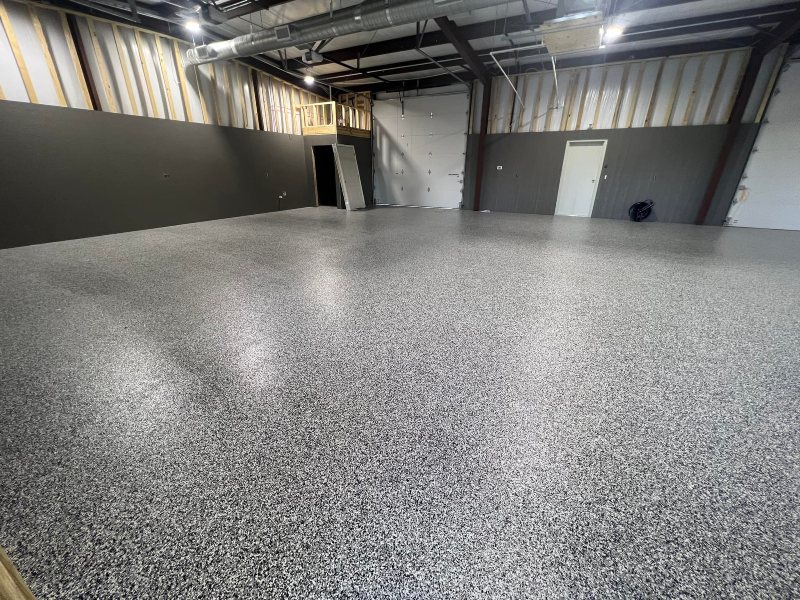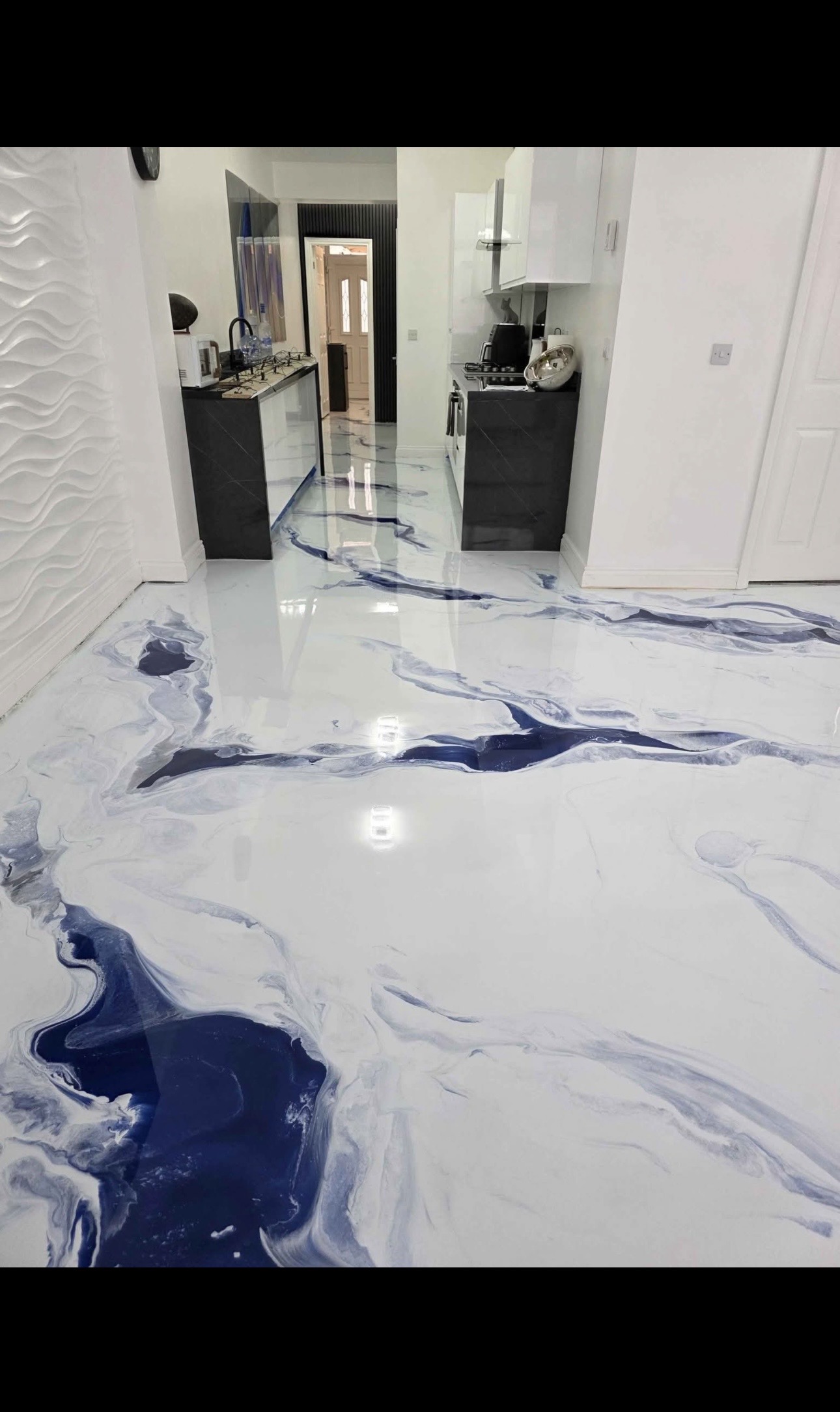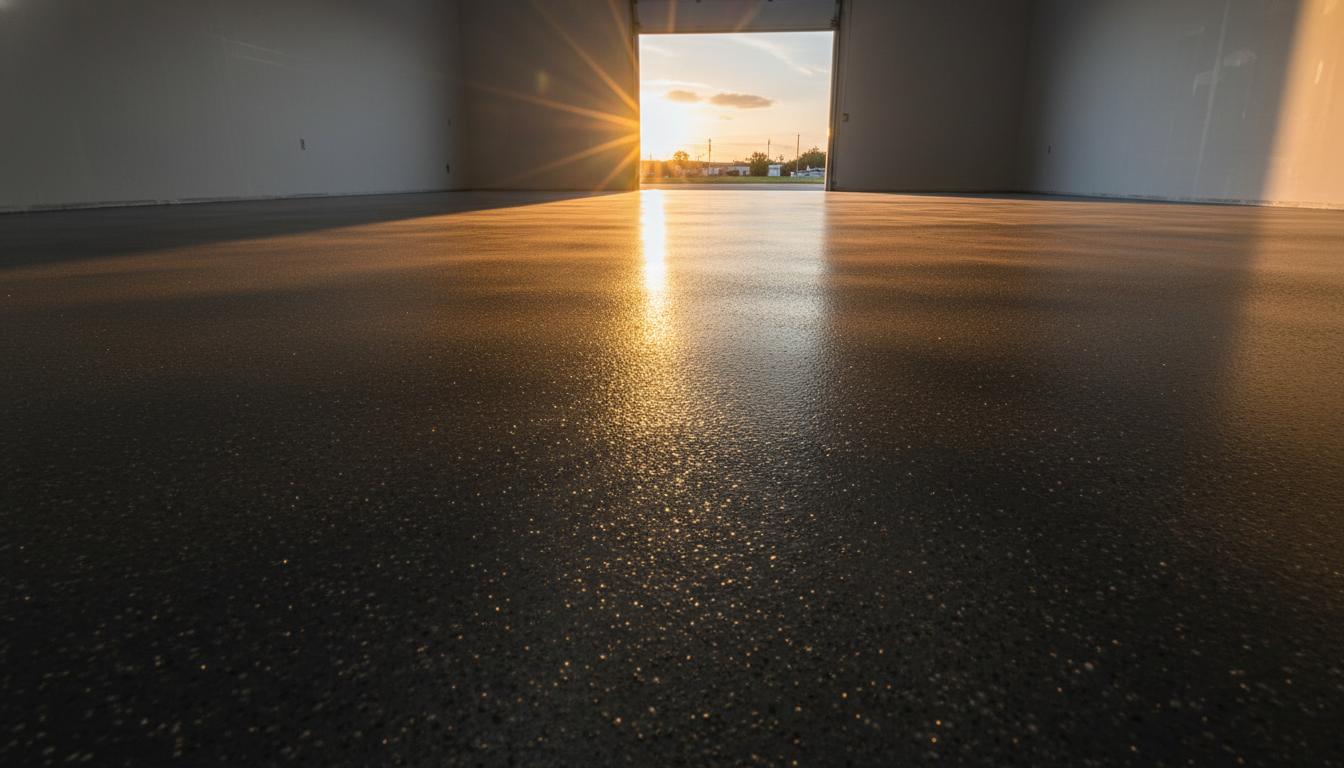
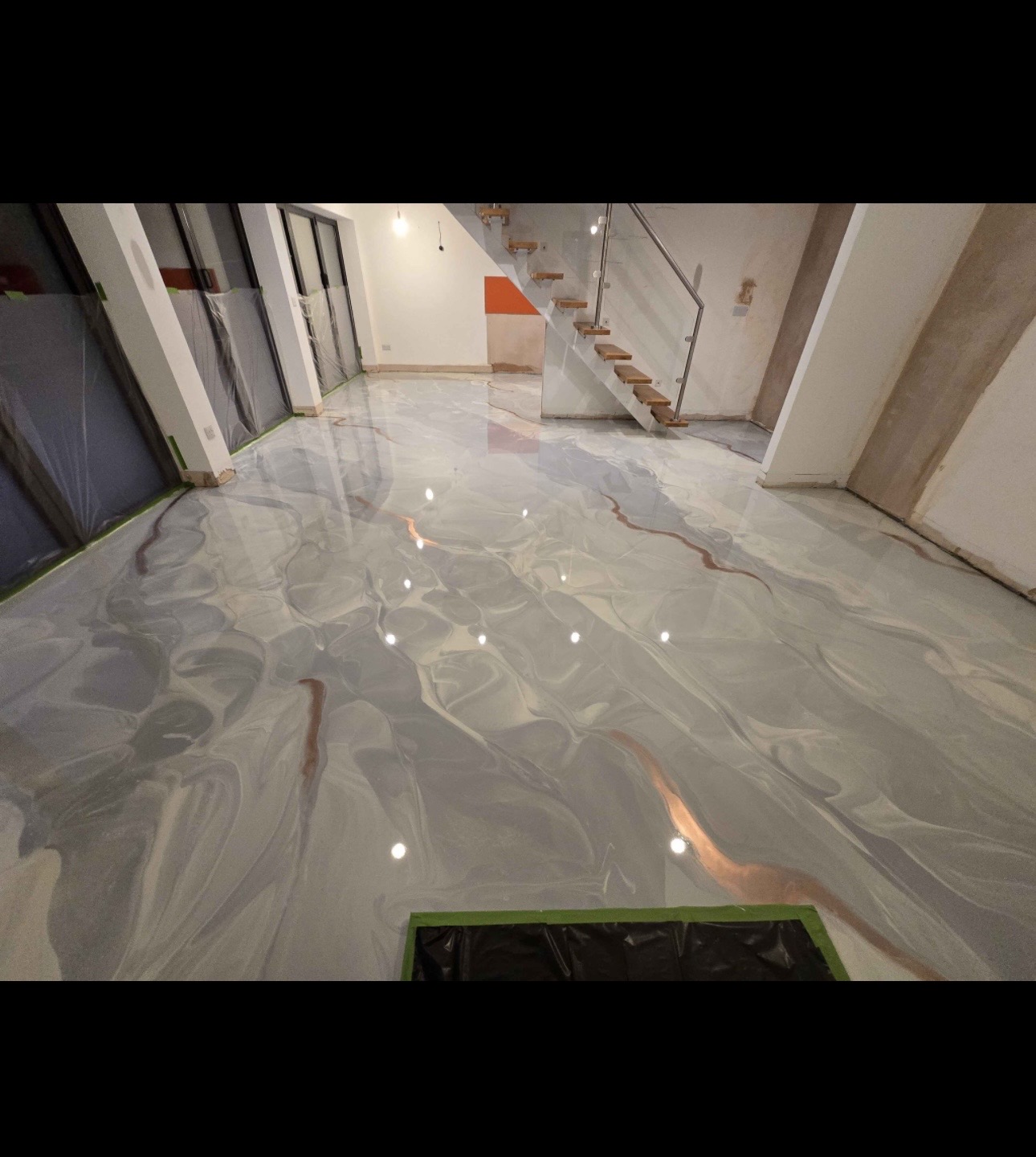
Polished concrete has quietly become one of the most popular floors in modern GTA homes, showrooms, and commercial spaces — and for good reason. Instead of adding a coating that can one day peel, it refines the slab you already have into a dense, durable, easy-to-clean surface with a sheen you control, from soft matte to mirror gloss. But polished concrete is not the right answer for every space, and the result depends heavily on the condition of your slab and the skill of the installer. This guide breaks down the real costs, the polish levels, where it beats epoxy, and how to choose a contractor.
Key Takeaways
It refines, rather than coats: Polished concrete mechanically grinds and densifies the existing slab into a hard surface with no film to peel, which is why it is prized for longevity in high-traffic spaces.
GTA pricing spans a wide range: Expect roughly $5 to $12 per square foot depending on the gloss level, how many grinding passes are needed, and the condition of the slab. Decorative dyes and complex repairs push toward the top.
You control the sheen: Polish is specified by level, from a low-sheen satin to a high-gloss finish, letting you match the look to a modern home, a basement, or a retail showroom.
Extremely low maintenance: A densified, polished slab resists abrasion and needs only dust-mopping and occasional damp cleaning, with no waxing, stripping, or recoating in normal use.
Slab condition is decisive: Polishing reveals the concrete itself, so cracks, patches, and surface history show. The best candidates are sound slabs; heavily damaged or contaminated floors may be better suited to a coating.
Quick-Start Prioritization Framework
| Priority | Why Polished Concrete Fits | What to Confirm | Typical Result |
|---|---|---|---|
| Longevity, no peeling | Refines the slab, no film to fail | Slab is sound | Decades of service |
| Low maintenance | Dust-mop and damp-clean only | Densifier and sealer used | No waxing or recoats |
| Modern aesthetic | Controllable matte-to-gloss sheen | Target gloss level | Showroom or minimalist look |
| Showroom / retail | Hard, light-reflective, easy to clean | Slip plan for wet areas | Bright, durable space |
| Stain resistance needed | Consider epoxy instead | Exposure to oils/chemicals | Coating may suit better |
Start here if you're:
- Working with a sound slab: Polished concrete delivers a durable, no-peel floor that refines what you already have.
- After a modern, low-sheen look: A satin or semi-gloss polish suits contemporary homes and basements.
- Exposed to heavy oils or chemicals: An epoxy coating may protect the slab better than polishing alone — worth comparing on site.
What Polished Concrete Actually Is
Polishing is a mechanical refinement process, not a product you roll on, and understanding that explains its strengths.
The Grind-and-Densify Process
Installers use progressively finer diamond tooling to grind the slab smooth, then apply a chemical densifier that hardens the surface from within. Successive passes raise the sheen to the specified level, producing a floor that is part of the concrete itself rather than a layer sitting on top of it.
Polish Levels and Sheen
The finish is specified by gloss level, ranging from a flat, matte look through satin and semi-gloss to a high, mirror-like shine. Lower levels suit industrial and minimalist spaces, while higher levels create the bright, reflective surfaces common in showrooms and upscale interiors.
What Polished Concrete Costs in the GTA
Pricing reflects the number of grinding passes, the gloss level, and the condition of the starting slab.
Typical Price Ranges
In the Greater Toronto Area, polished concrete generally runs about $5 to $12 per square foot. A basic grind-and-seal at a lower sheen sits at the bottom of the range, while a high-gloss, multi-pass polish with decorative dyes or significant slab repair reaches the top. As with any floor, the condition you start from is the biggest single cost driver.
What Moves the Price
Heavily cracked, patched, or contaminated slabs need more remediation before polishing, which adds labour. Decorative options such as integral dyes, exposed aggregate, or scored patterns also raise the cost, as does the higher number of passes required to reach a true high-gloss finish.
Polished Concrete vs. Epoxy: Which to Choose
These are the two leading hard-floor options in the GTA, and each wins in different situations.
When Polished Concrete Wins
Polished concrete shines where the slab is sound and you want maximum longevity with no risk of a coating peeling — open-plan homes, basements, showrooms, and retail floors with a modern aesthetic. Its low maintenance and light reflectivity are major draws for large, high-traffic spaces.
When Epoxy Wins
Where the floor faces heavy oils, chemicals, or constant moisture — or where the slab is too damaged to polish attractively — an epoxy coating often protects better and hides imperfections that polishing would reveal. Garages exposed to road salt and hot tires are frequently better served by an epoxy-and-polyaspartic system.
Caring for a Polished Concrete Floor
One of polished concrete’s biggest selling points is how little it asks of you after installation.
Routine Cleaning
Dust-mopping to remove grit and an occasional damp mop with a neutral-pH cleaner is all a polished floor needs day to day. There is no wax to strip and no coating to recoat, which keeps lifetime maintenance costs low.
Long-Term Upkeep
Over many years and heavy traffic, a polished floor can be re-burnished or re-sealed to restore its sheen, a far simpler task than replacing a worn coating. Kept clean and resealed as needed, a polished slab lasts for decades.
Frequently Asked Questions
How much does polished concrete flooring cost in the GTA?
Polished concrete in the Greater Toronto Area typically costs about $5 to $12 per square foot. A basic lower-sheen grind-and-seal sits at the lower end, while a high-gloss, multi-pass finish with dyes or slab repair reaches the upper end. The condition of your existing slab is the largest factor in the final price.
Is polished concrete better than epoxy?
Neither is universally better — they suit different needs. Polished concrete offers unmatched longevity with no coating to peel and a modern look, ideal for sound slabs in homes, showrooms, and retail. Epoxy provides superior stain and chemical resistance and hides slab imperfections, which often makes it the better choice for garages and industrial areas.
Can any concrete floor be polished?
Most structurally sound slabs can be polished, but the result depends on the concrete’s condition and history. Cracks, patches, and past repairs will show in the finished surface, so heavily damaged or contaminated floors may be better suited to a coating. An on-site assessment determines whether polishing will give you the look you want.
How long does polished concrete last?
A properly polished and densified floor can last for decades, since it refines the slab itself rather than adding a wearable layer. With routine cleaning and occasional re-burnishing, it remains durable under heavy traffic far longer than many coated or covered floors. Teams like Pure Coatings Epoxy can advise whether polishing or a coating better fits your space.
Is polished concrete slippery?
A clean, dry polished floor offers reasonable traction, but like any hard surface it can be slick when wet. For areas exposed to moisture, installers can adjust the finish or add a slip-resistant treatment to improve safety. Discuss wet-area needs during your assessment so the finish is matched to the space.
Ready to Explore Polished Concrete?
If you have a sound slab and want a durable, low-maintenance floor with a modern finish, polished concrete is well worth considering. Pure Coatings Epoxy provides free on-site assessments across the GTA and will give you an honest recommendation on whether polishing or a coating best suits your space, along with a transparent written quote. Get in touch today.
Pure Coatings Epoxy
GTA Epoxy & Concrete Flooring — Est. 2024